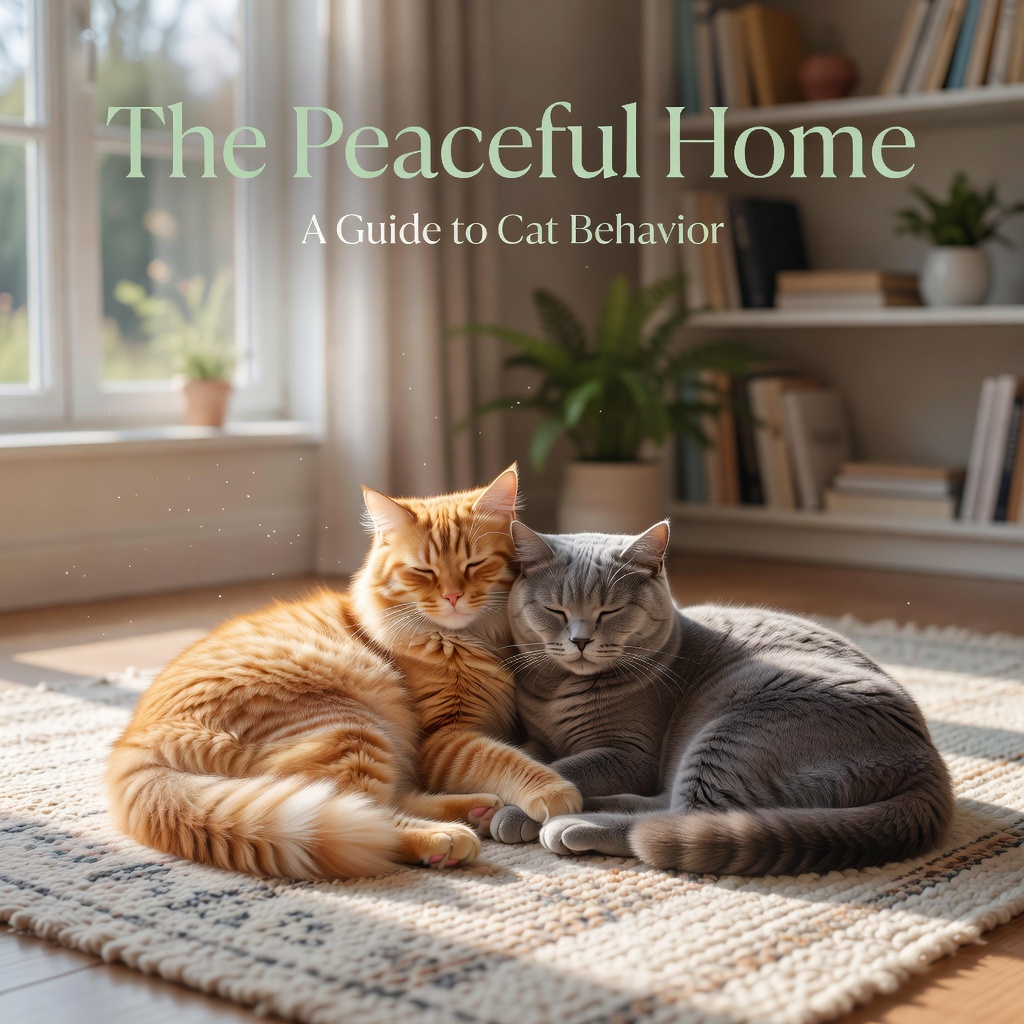
Solve Cat Behavior Problems: Stop Scratching Furniture, Fix Litter Box Issues & Master Multi-Cat Harmony
Understanding Cat Behavior Problems: You're Not Alone
Picture this: you sink into your favorite armchair after a long day, only to feel the unmistakable ridges of claw marks beneath the fabric. Or worse, a pungent surprise waits just inside the door because your cat snubbed the litter box again. And if you've got multiple cats, the yowls and swats echoing through the house turn your home into a feline feud zone. These cat behavior problems frustrate even the most devoted owners, but here's the good news—they're solvable with empathy, patience, and proven strategies like redirect and reward.
Cats aren't acting out to spite you. Their quirks stem from instinct, unmet needs, or changes in their world. Scratching maintains claws and marks territory. Litter box avoidance often signals discomfort or stress. Multi-cat tension arises from poor introductions. By decoding these signals and gently guiding your cats toward better choices, you restore peace—and deepen your bond.
Stop Cat Scratching: Redirect the Claws to Where They Belong
Why Do Cats Scratch Furniture?
That satisfying shrrrk as claws rake your sofa? It's your cat's way of stretching muscles, shedding old nail sheaths, and depositing scent from glands in their paws. Furniture hits the sweet spot—tall, textured, and prominent. But you can stop cat scratching without punishment, which only breeds fear.
The Redirect and Reward Method to Stop Cat Scratching
Start by offering irresistible alternatives. Place a sturdy sisal scratching post or cardboard scratcher right next to the targeted furniture—make it taller than your couch, at least 3 feet high. Sprinkle with catnip or silvervine to lure them in. When you catch your cat mid-scratch on the forbidden spot, calmly say "no" and gently lift them to the post. Stroke and praise lavishly the moment their paws connect with it. Reward with treats or play. Consistency turns instinct into habit.
- Trim nails every 10-14 days to dull damage.
- Use double-sided tape or citrus sprays on furniture as temporary deterrents.
- Enrich their world with vertical spaces—cats crave height.
Owners report shredded sofas reclaimed in weeks. One key: ignore good behavior on furniture, amplify the cheers for posts. Your cat learns fast when rewards flow.
Litter Box Training: End Accidents and Restore Cleanliness
Uncovering the Root Causes of Litter Box Avoidance
A cat ignoring the litter box feels like betrayal, but it's rarely spite. Common culprits: overflowing boxes, painful urinary issues (get a vet check first), stress from moves or new pets, or boxes in noisy spots. Even litter type matters—fine clumping over perfumed crystals.
Master Litter Box Training with Redirect and Reward
Rule one: one box per cat plus one extra, in quiet, accessible locations. Scoop daily, deep-clean weekly. Transition litters gradually if switching. For retraining, confine to a small bathroom with box, food, and water spaced apart—cats avoid soiling near meals. Spot an accident? Scoop it into the box to link scents, clean the spot with enzymatic cleaners. Redirect wandering paws toward the box with a gentle guide and immediate praise. Reward deposits with soft words or tiny treats.
- Consult a vet to rule out medical woes.
- Test box setups: covered vs. open, high-sided for sprayers.
- Monitor for stress—pheromone diffusers like Feliway calm nerves.
Patience pays: most cats realign in days to weeks, turning your home spotless again.
Multi-Cat Harmony: Introducing Cats Without the Claws Out
Why Multi-Cat Homes Spark Tension—and How to Prevent It
Dreaming of a multi-cat crew? Rushed intros breed hissing hierarchies. New cats threaten resources: food, litter, laps. Slow swaps build trust.
Step-by-Step to Multi-Cat Harmony Using Redirect and Reward
Separate new arrivals for days or weeks in a safe room with essentials. Swap bedding for scent familiarity. Feed meals on opposite sides of a closed door, inching closer over time. Introduce visuals via baby gates, rewarding calm with treats and play. Supervised meetings start short—redirect swats with toys or separation, never yelling. Equal resources prevent jealousy: duplicate boxes, bowls, beds.
- Watch tails and ears: puffed fur means space out.
- Interactive toys foster joint hunts, bonding them.
- Pheromone collars ease newcomer nerves.
Harmony blooms gradually, transforming rivals into grooming buddies.
Your Path to a Purr-fect Home: Consistency is Key
Cat behavior problems don't vanish overnight, but redirect and reward—paired with vet checks and environmental tweaks—unlock harmony. You've got this. Watch your cats thrive, claws retracted, boxes pristine, and tails entwined. In their world of whiskers and wonders, your steady hand makes all the difference. Start today; the shredded couch can wait.
