Why Does My Cat Scratch Furniture? Decode Meowing, Biting, Litter Box Issues & More!
Picture this: you sink into your favorite armchair after a long day, only to feel the fresh, jagged tears in the fabric—courtesy of your otherwise angelic cat. Or maybe it's the midnight yowls that jolt you awake, the sudden nips during cuddle time, or that one untouched litter box staring back accusingly. If you're a cat owner grappling with these cat behavior problems, you're not alone. These quirks aren't signs of rebellion; they're your feline's way of communicating needs, instincts, and emotions. The good news? Most are normal, fixable, and even preventable with a little understanding and patience.
Cats are descendants of solitary wild hunters, wired for independence yet craving subtle connections. When behaviors like scratching, meowing, biting, or litter box avoidance pop up, it's often a mismatch between their natural drives and our modern homes. Let's decode these mysteries together, arming you with practical, reassuring solutions to restore harmony—and your furniture.
Why Does My Cat Scratch Furniture? Unraveling the Claws of Instinct
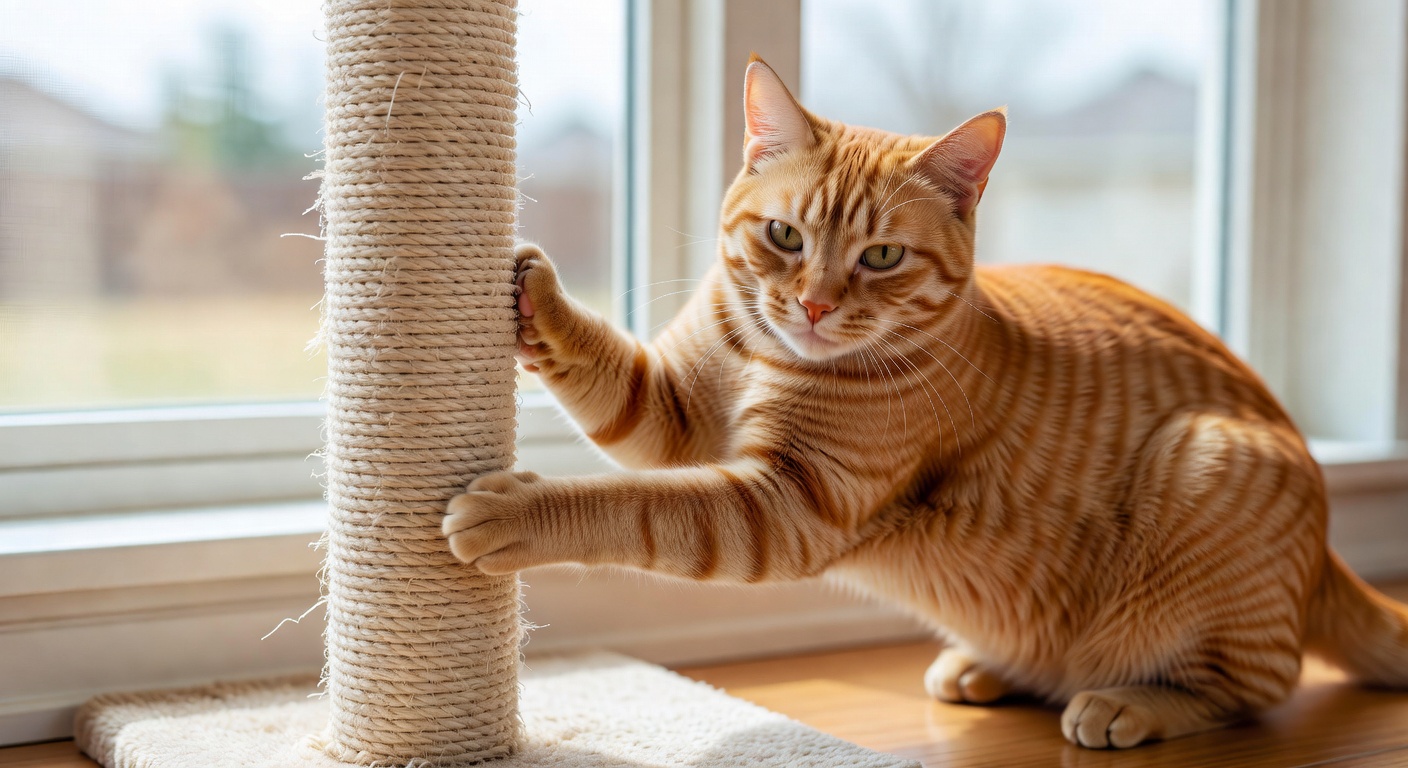
That iconic scratch on your sofa isn't personal—it's primeval. Scratching serves multiple purposes: marking territory with scent glands in their paws, maintaining claw sharpness by shedding outer layers, and stretching those powerful muscles from nose to tail. Think of it as your cat's version of a home gym session combined with a "this is mine" flag.
Practical Solutions to Save Your Upholstery
- Provide Alternatives: Invest in tall, sturdy scratching posts made of sisal rope or cardboard—textures cats crave. Place them near problem areas initially, then gradually move.
- Make Furniture Less Appealing: Cover scratched spots with double-sided tape or aluminum foil; cats detest the stickiness and crinkle.
- Positive Reinforcement: Reward scratching the post with treats or play. Ignore or redirect furniture attacks calmly—never punish, as it breeds fear.
- Trim Claws Regularly: Blunt tips reduce damage without declawing, which is painful and permanent.
Within weeks, most cats switch loyalties, leaving your couch intact and their instincts satisfied.
Cat Meowing at Night: Decoding the Midnight Symphonies
Those eerie nighttime serenades? Your cat might be hungry, bored, stressed, or seeking attention. Nocturnal by nature, cats hunt at dawn and dusk, so evening energy surges are par for the course. Older cats could be experiencing cognitive changes, akin to sundowning in humans.
Tame the Nighttime Chatter
- Feed a small meal before bed to curb hunger cries.
- Enrich evenings with interactive play—laser pointers or feather wands tire them out.
- Ignore vocalizations; responding reinforces the habit.
- Check for underlying issues like hyperthyroidism with a vet visit.
Consistency turns nights quiet, letting everyone sleep soundly.
Cat Biting: From Playful Nips to Love Bites Explained
A gentle chomp during pets? That's often overstimulation—cats have sensitive skin and set boundaries with teeth. Kittens bite to practice hunting; adults might redirect frustration or play aggressively if understimulated.
- Watch body language: twitching tail, flattened ears signal "enough!"
- Use toys, not hands, for play to teach limits.
- Withdraw attention calmly post-bite; they learn quickly.
- Ensure daily play sessions mimic hunting.
Patience transforms biters into gentle companions.
Cat Litter Box Problems: Solving the Scoop Saga
Avoidance screams discomfort: dirty box, medical pain (UTIs common), stress, or box aversion. Multi-cat homes amplify territory tensions.
Restore Box Bliss
- Scoop daily, fully change weekly; offer one box per cat plus one.
- Experiment with litter types—unscented clumping preferred.
- Placement matters: quiet, accessible, away from food.
- Vet rule-out first; pheromones or Feliway calm stress.
A clean, happy box means a happy home—no more accidents.
Bonus Behaviors: Hiding, Zoomies, and More Cat Quirks
Hiding signals stress or illness—provide safe spots like boxes. Zoomies? Pent-up energy; schedule hunts. These cat behavior problems are solvable with routine, enrichment, and empathy.
Final Purr-spective: Your Cat's Just Speaking Their Language
From shredded sofas to silent nights, these behaviors bridge your cat's wild roots to your shared life. You're not failing; you're learning their dialect. Implement changes gradually, track progress, and consult vets for persistence. Soon, you'll share knowing glances with your feline friend—behaviors decoded, bond unbreakable. Here's to scratch-free furniture and purring peace.
